In 1722 a bypass canal cut a river bend and accidentally made an island. The Mon families who settled it are still there, still firing lace-carved terracotta in riverside kilns, a two-minute ferry from the Bangkok sprawl. No cars, one leaning chedi, the best sweets table in Thailand. Here is the whole day.
Ko Kret is an accident of royal engineering: the canal that shortcut a Chao Phraya meander turned a monastery headland into an island, and Mon refugees from Burma made it theirs. What they built, a pottery economy, a market tradition, a riverside Buddhism with its own slant, is all still working.
Everything starts at the ferry landing by the leaning chedi; the island unrolls from there, clockwise, at walking or bicycle speed.

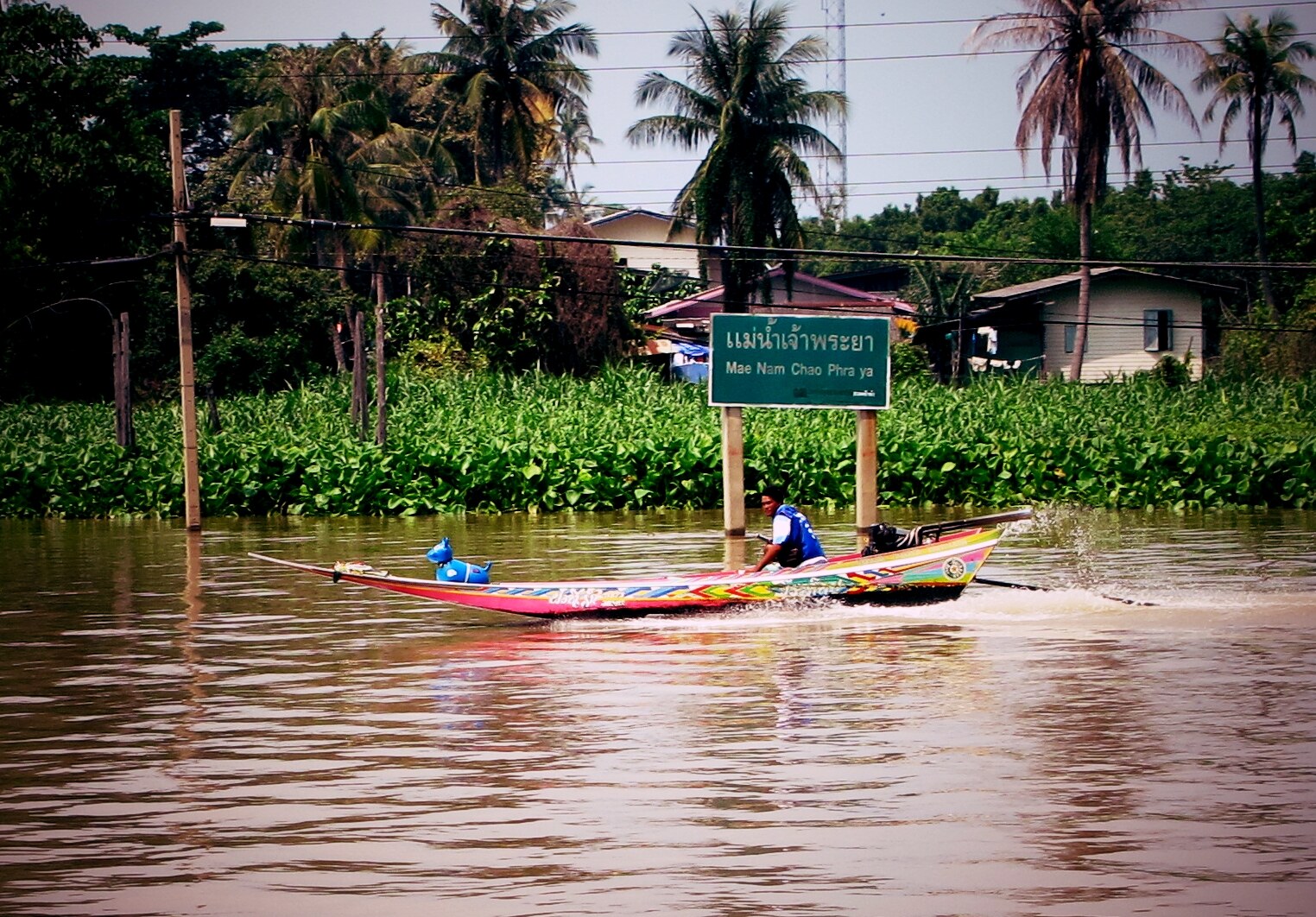
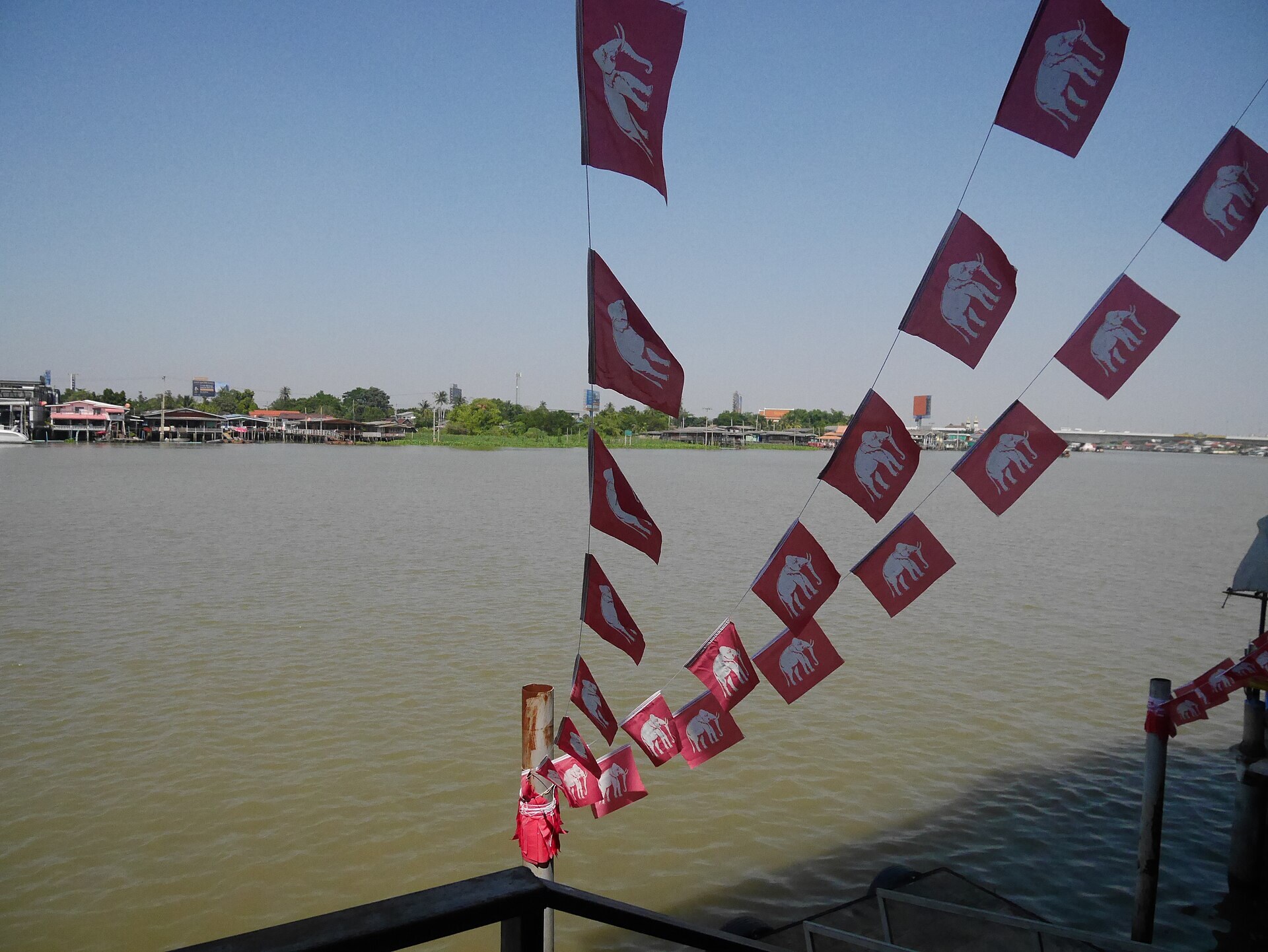
The crossing ferry from Wat Sanam Nuea is the cheapest boat trip in Bangkok and the right way to arrive: hyacinth rafts, longtails, monks commuting, the city dissolving mid-river.

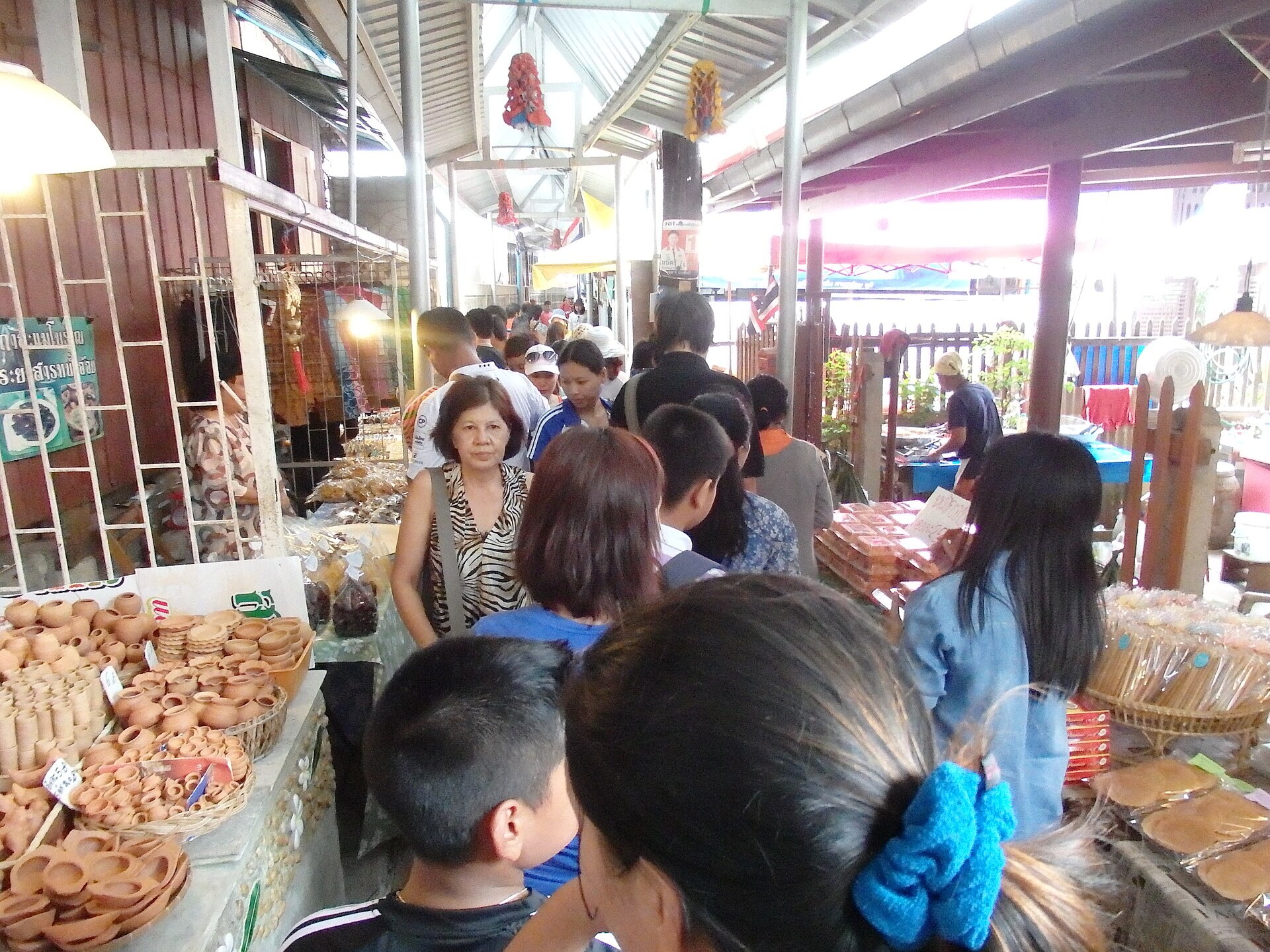
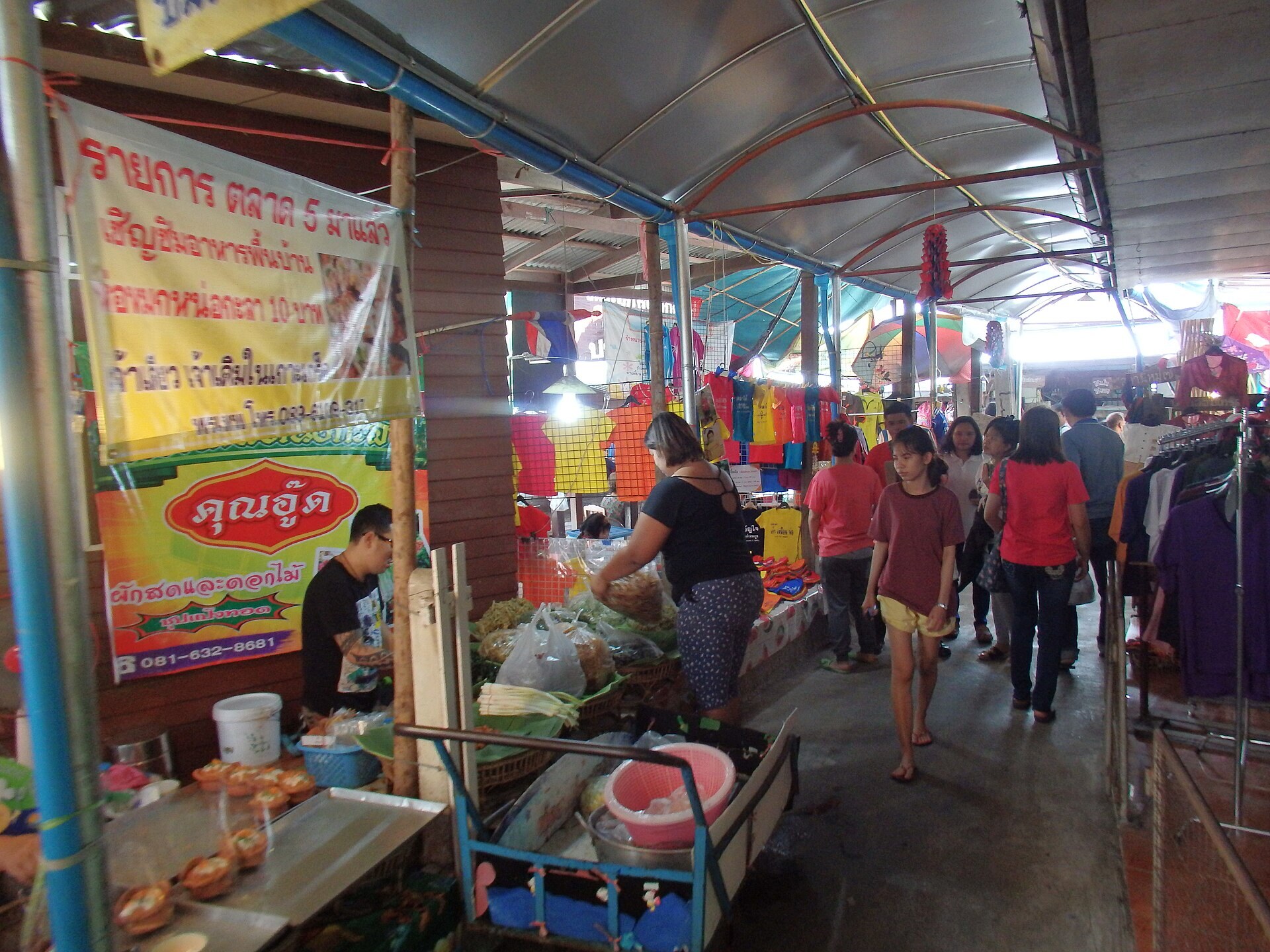
Saturday and Sunday the lanes become one long covered market: Mon dishes, fried river fish, a hundred sweets and the crowd that knows exactly why it came.

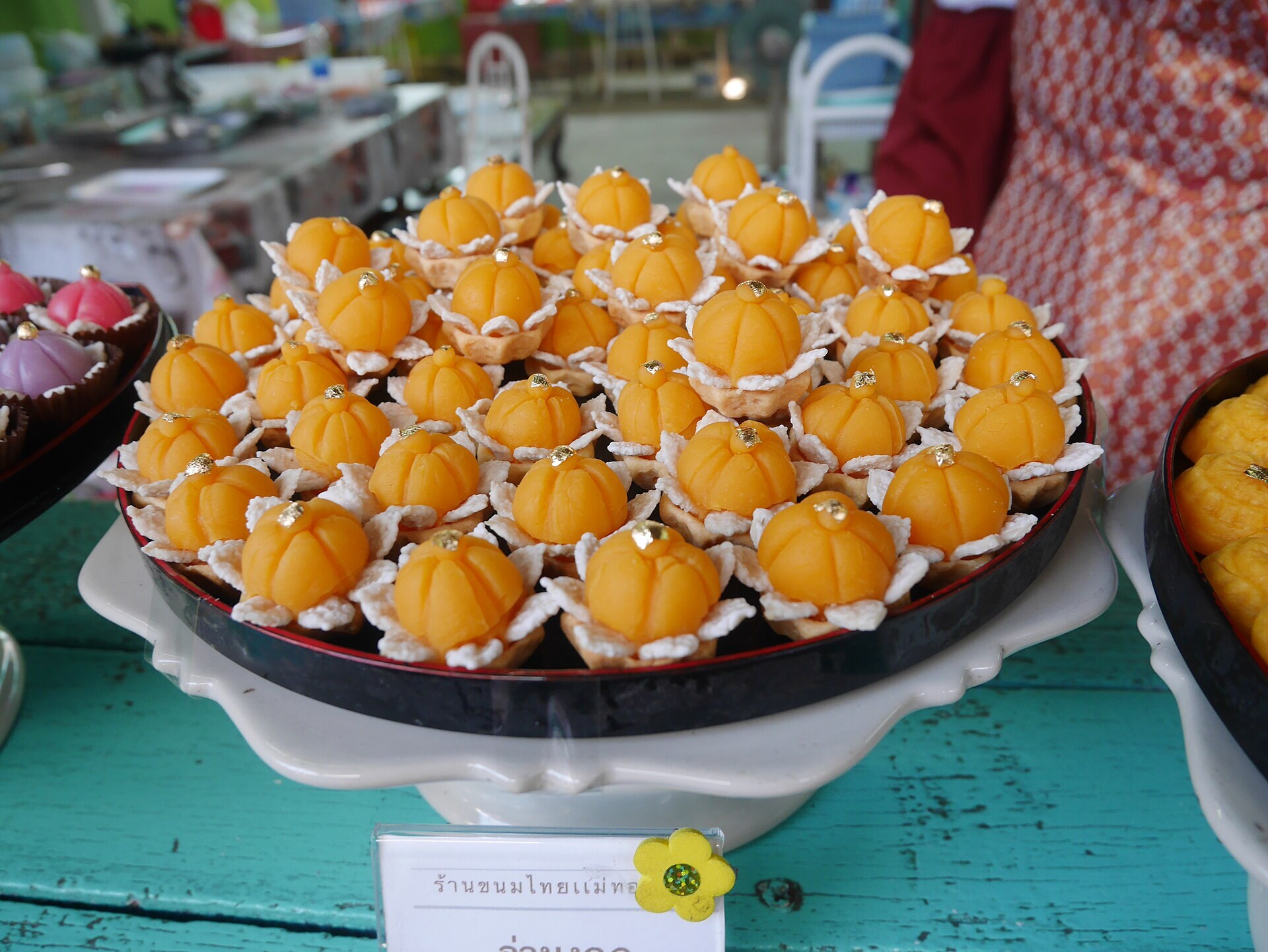
Egg-yolk gold, coconut, rice flour: Ko Kret's sweet-makers work recipes older than Bangkok, and the tasting portions are a day's honest project.

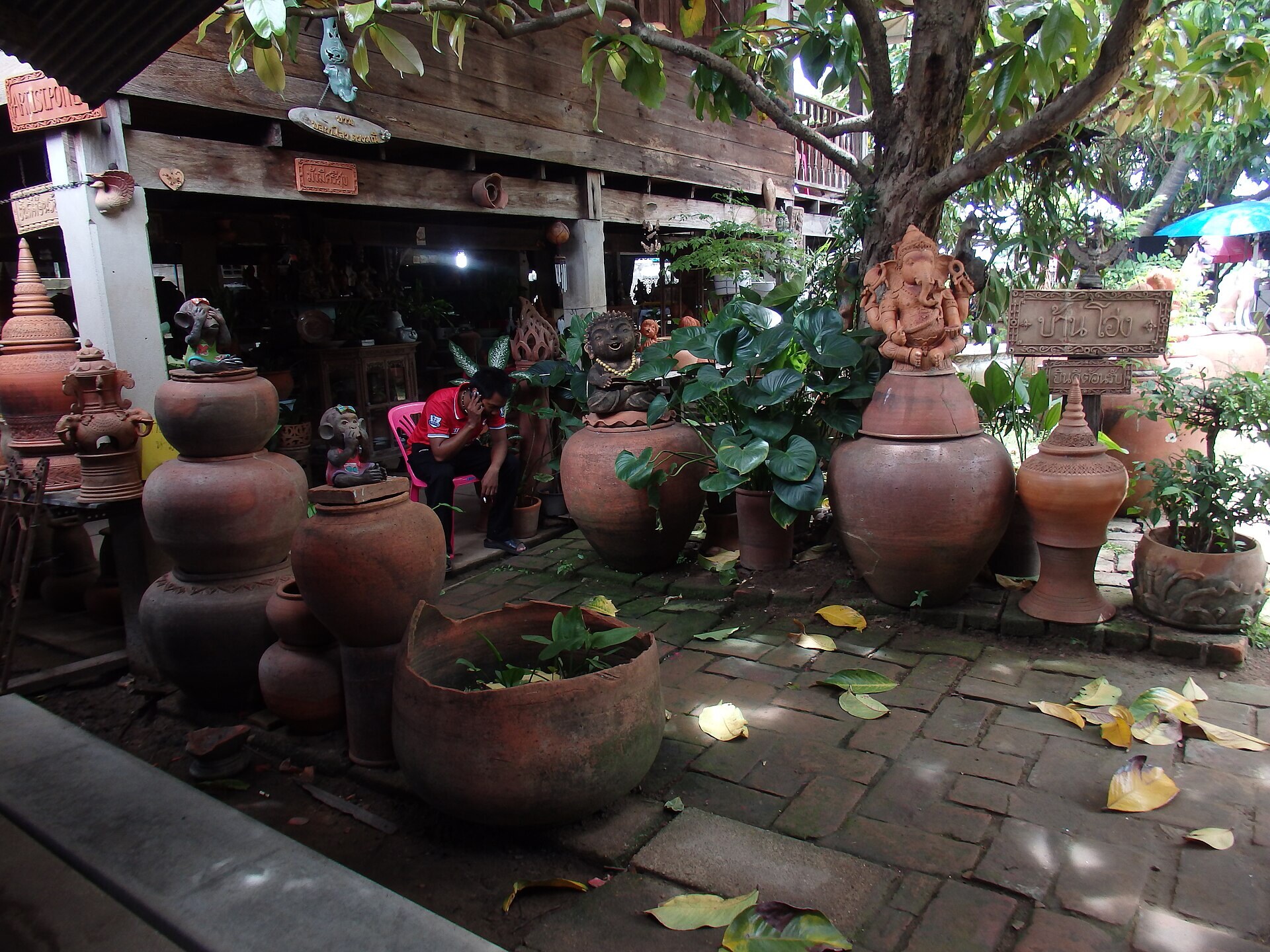
The island's signature: unglazed red clay cut with fine Mon patterns, from water jars to palm-size pots. Watch the wheel, walk the kiln sheds, carry one home.

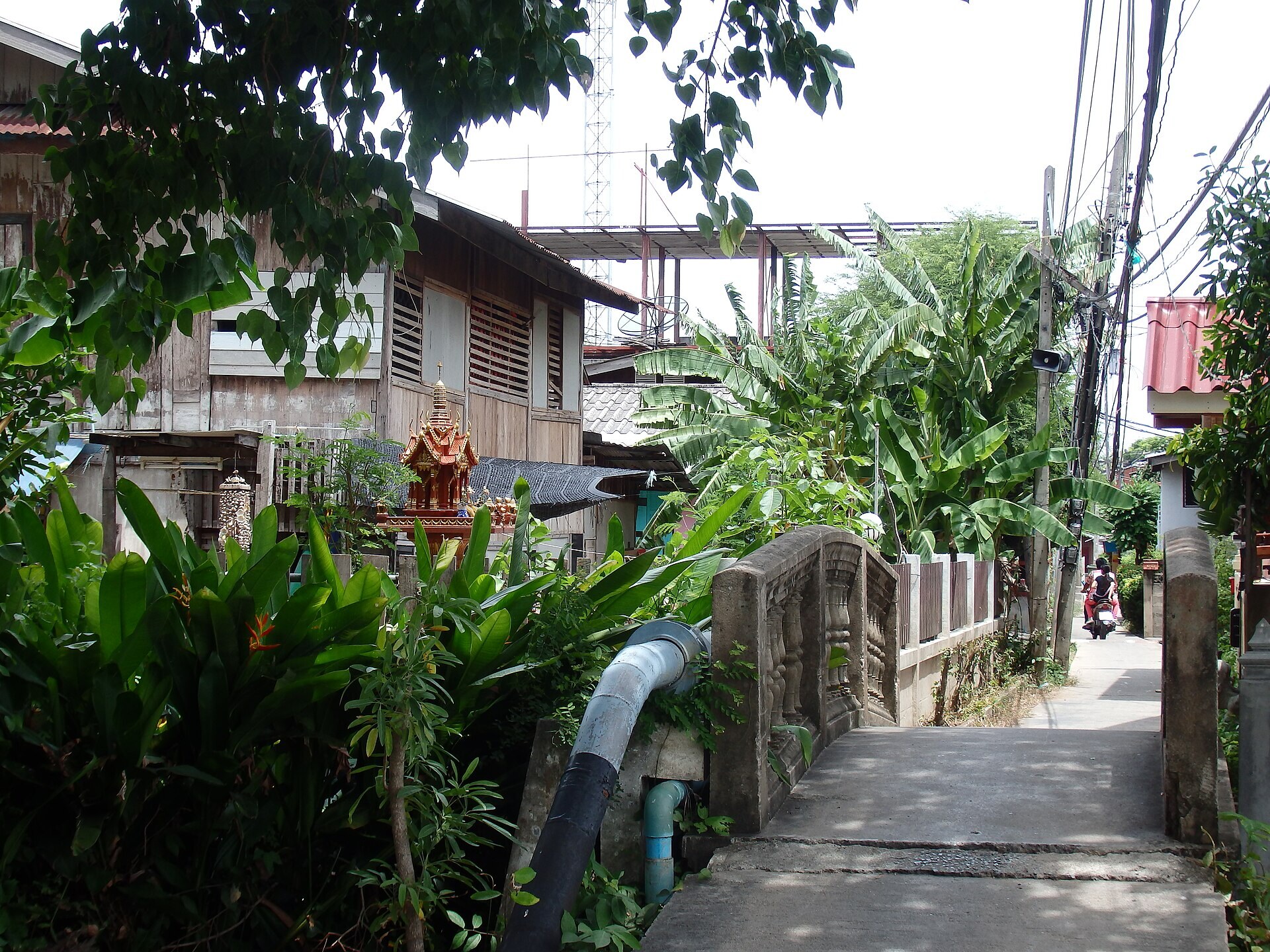
One concrete path circles the island through orchards, stilt houses and temple yards. Rent a bike at the pier and the quiet southern half is yours in an hour.

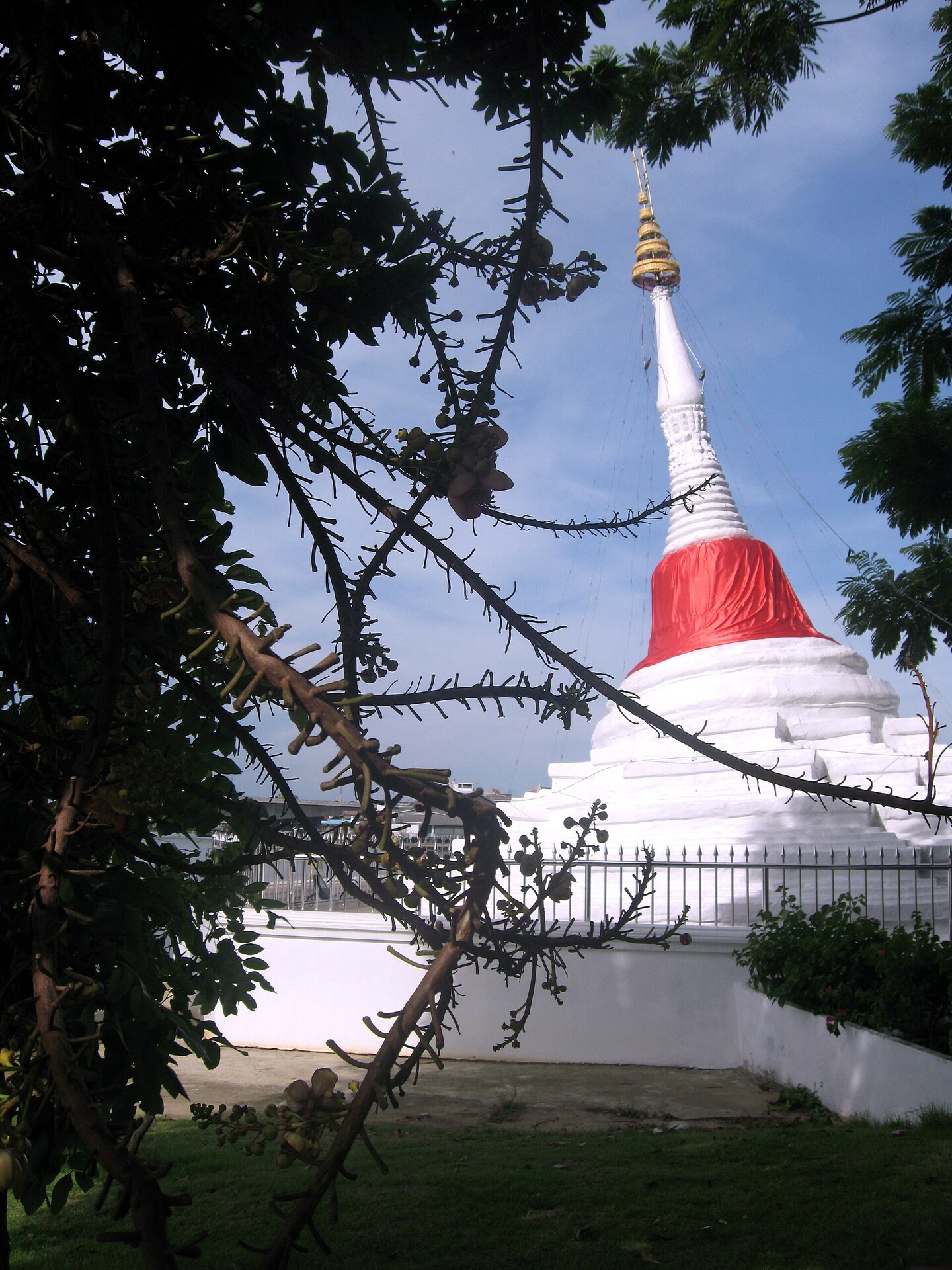
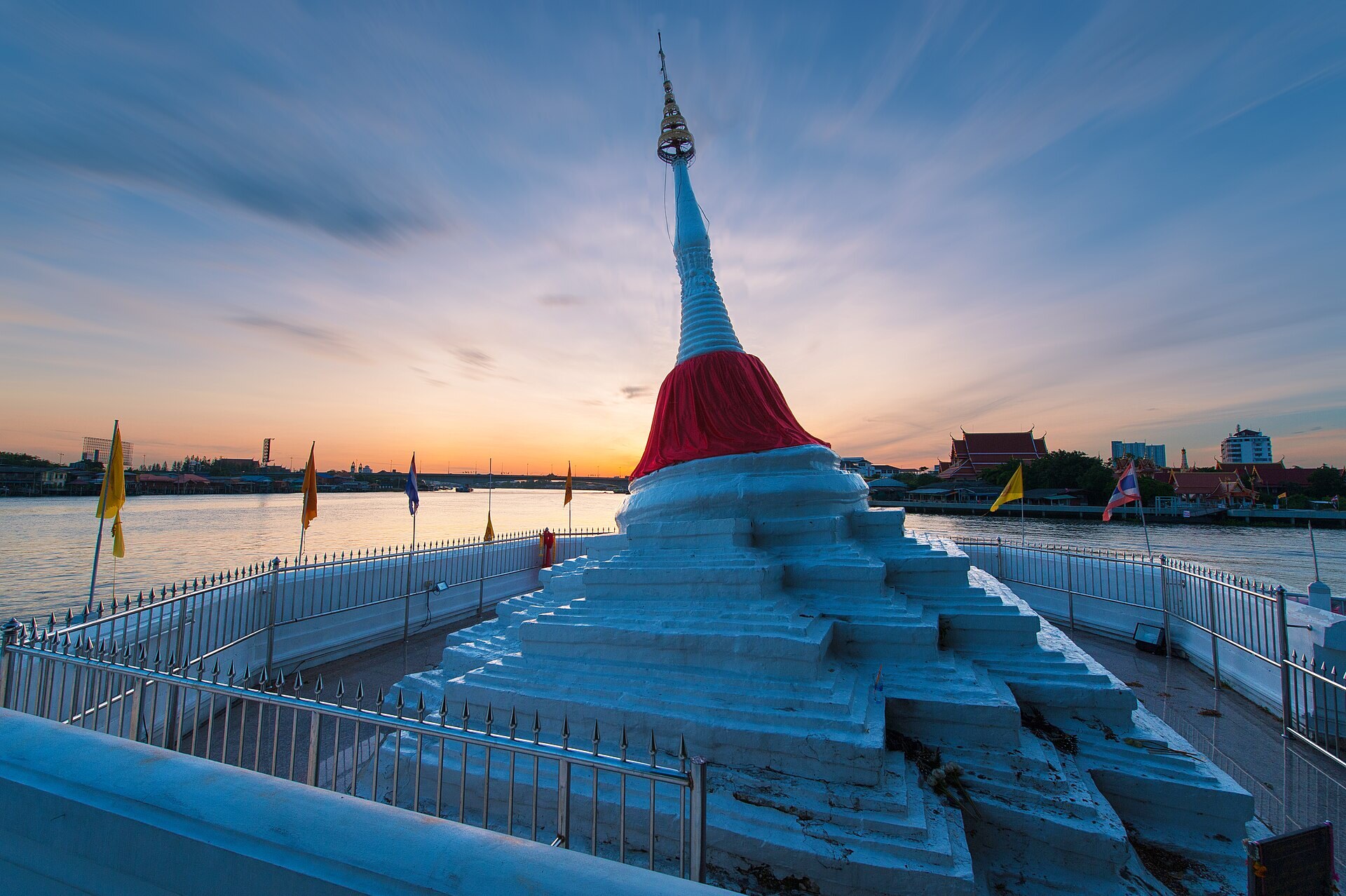
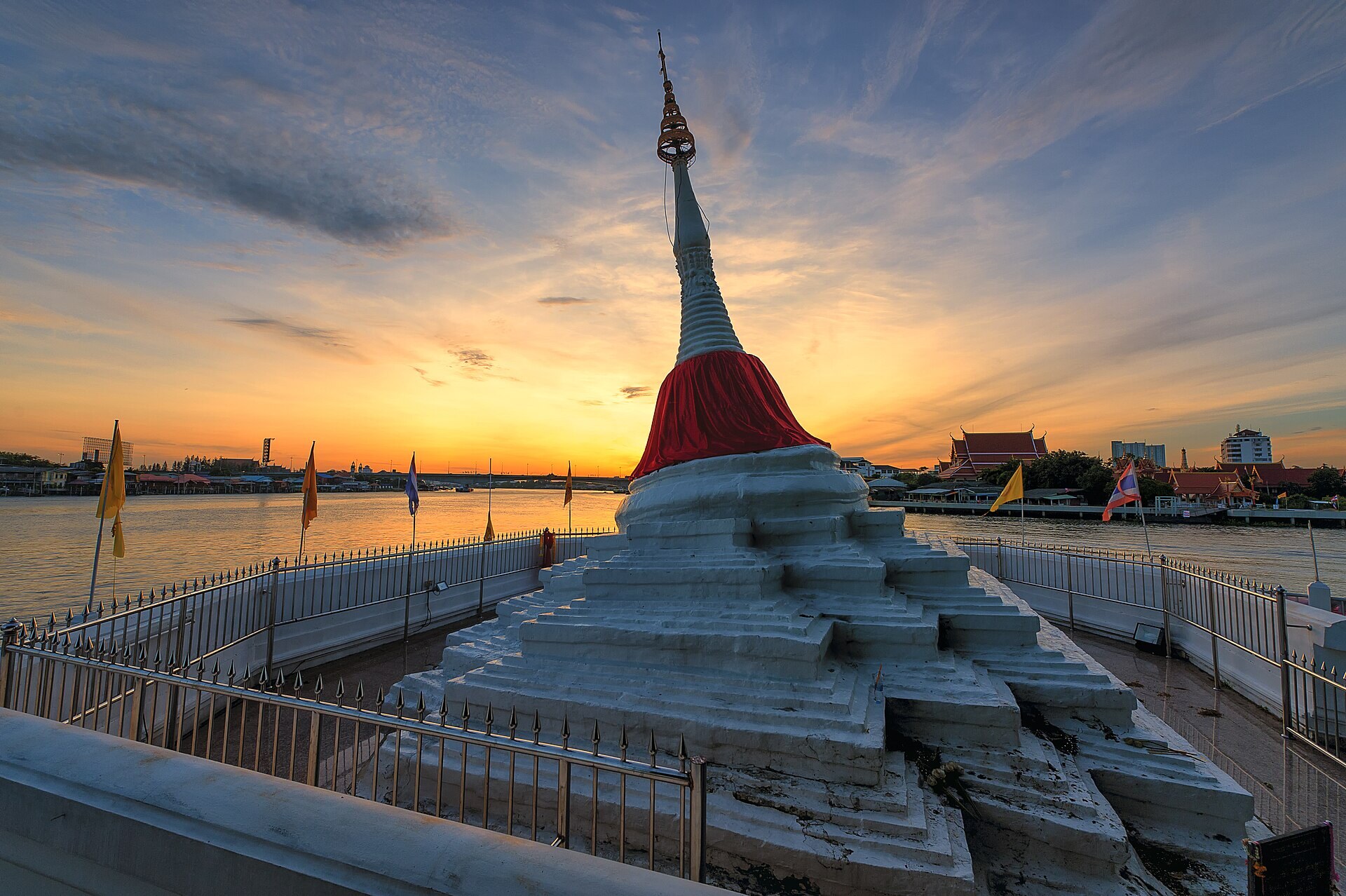
The white Mon chedi at the island's tip has tilted riverward for generations and become the island's signature, best at sunset from the water.
Ko Kret runs on a weekly tide: packed and delicious on weekends, hushed and workmanlike Monday to Friday. Neither is wrong; they are different trips.
Ferry by mid-morning, the leaning chedi and temple museum first, then surrender to the market lanes: lunch standing up, sweets sitting down, pottery shopping on the walk back.
Most stalls shut and the island exhales. Watch the pottery workshops actually working, ride the full loop through the orchards, and have the temple yards to yourself.
Ride the Chao Phraya Express north past the temples and bridges, connect to Pak Kret, do the island in the afternoon and time the return for the chedi's golden hour.
Ko Kret has almost no beds, and that is part of its charm: day-trip it, then sleep by the river in Bangkok, or in Nonthaburi if you want tomorrow's second visit at opening time.
Practical pieces with the ferries actually ridden and the sweets actually eaten. New entries twice a week.

How Koh Kret marks Songkran with Mon merit-making, khao chae and quiet river rites, not water fights. A practical April guide with times and ferry notes.

A practical guide to Wat Poramaiyikawat on Koh Kret: the leaning chedi, Mon Buddha style, opening hours, dress code and how it fits a river-pace visit.

How a flood-made island in the Chao Phraya became a Mon settlement, and why that history still shapes pottery, food and pace on Koh Kret today.

Does Koh Kret flood in rainy season? Here's what actually happens to paths, ferries and the market between June and October, with practical notes.

Weekday calm or weekend market, dry season or rain: here is how Koh Kret actually changes through the year, with ferry times and honest trade-offs.

No hotels sit on Koh Kret itself. Here is how Nonthaburi pier, riverside Bangkok and the express boat line compare for a calm, well-timed visit.

A practical guide to Koh Kret's weekend market: how the lanes work, what to eat first, approximate prices in baht and when the stalls actually open.

A practical guide to cycling Koh Kret's ring road: distances, rental prices, where the path narrows to boards, and what to actually look at along the way.

A factual route guide to Ko Kret from Bangkok: ferry crossing in minutes, Grab fares, Bus 166, and the weekday-versus-weekend timing that actually matters.

What to eat on Ko Kret: khao chae in hot season, crab noodles by the pier, kwan aman snacks, and honest notes on weekday versus weekend food stalls.

How Koh Kret's Mon potters shape kwan aman on foot-powered wheels and fire it in brick kilns, plus when to watch the work on a weekday.
Preecha.MJ, CC BY-SA 4.0Boats, buses and the clockwise loop, timed stop by stop from downtown Bangkok.

What to order, where the lines form, and why the Mon invented Thailand's coolest dish.

Three centuries of red clay, and the workshops where you can try the wheel.
Grab or taxi to Wat Sanam Nuea pier in Pak Kret (~45 min from downtown), bus 166 from Victory Monument, or the Chao Phraya Express Boat to Nonthaburi pier and a short taxi onward. Then the crossing ferry: a couple of baht, two minutes, all day until evening.
Weekends for the market in full voice, weekdays for the working island: potters at the wheel, empty lanes, closed stalls. First visit on a Sunday morning is the classic; the connoisseur's second visit is a Tuesday.
Half a day for chedi, pottery quarter and market; a full day if you add the bike loop and a proper lunch. There is nowhere meaningful to sleep on the island, so plan it as a day trip.
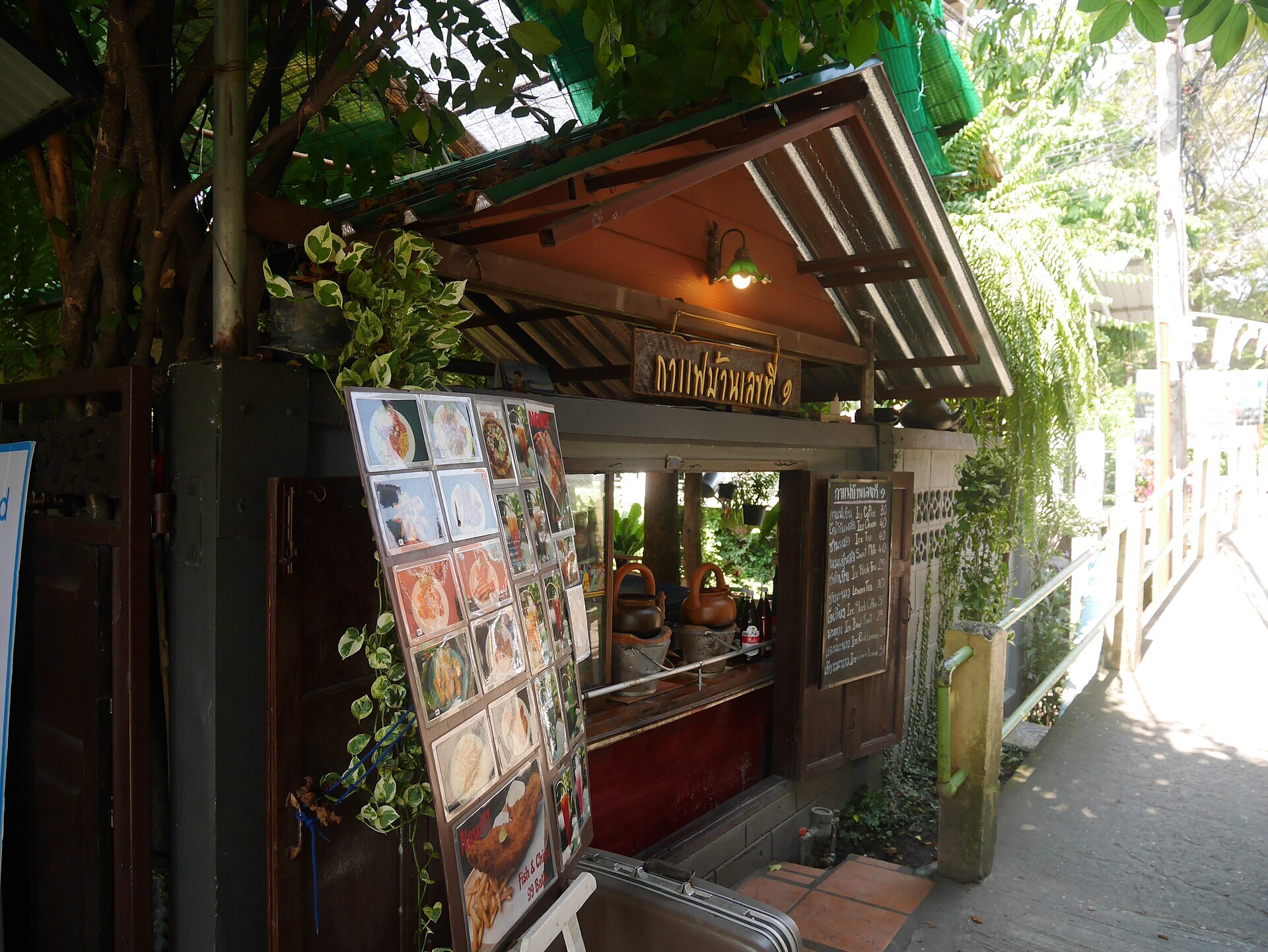
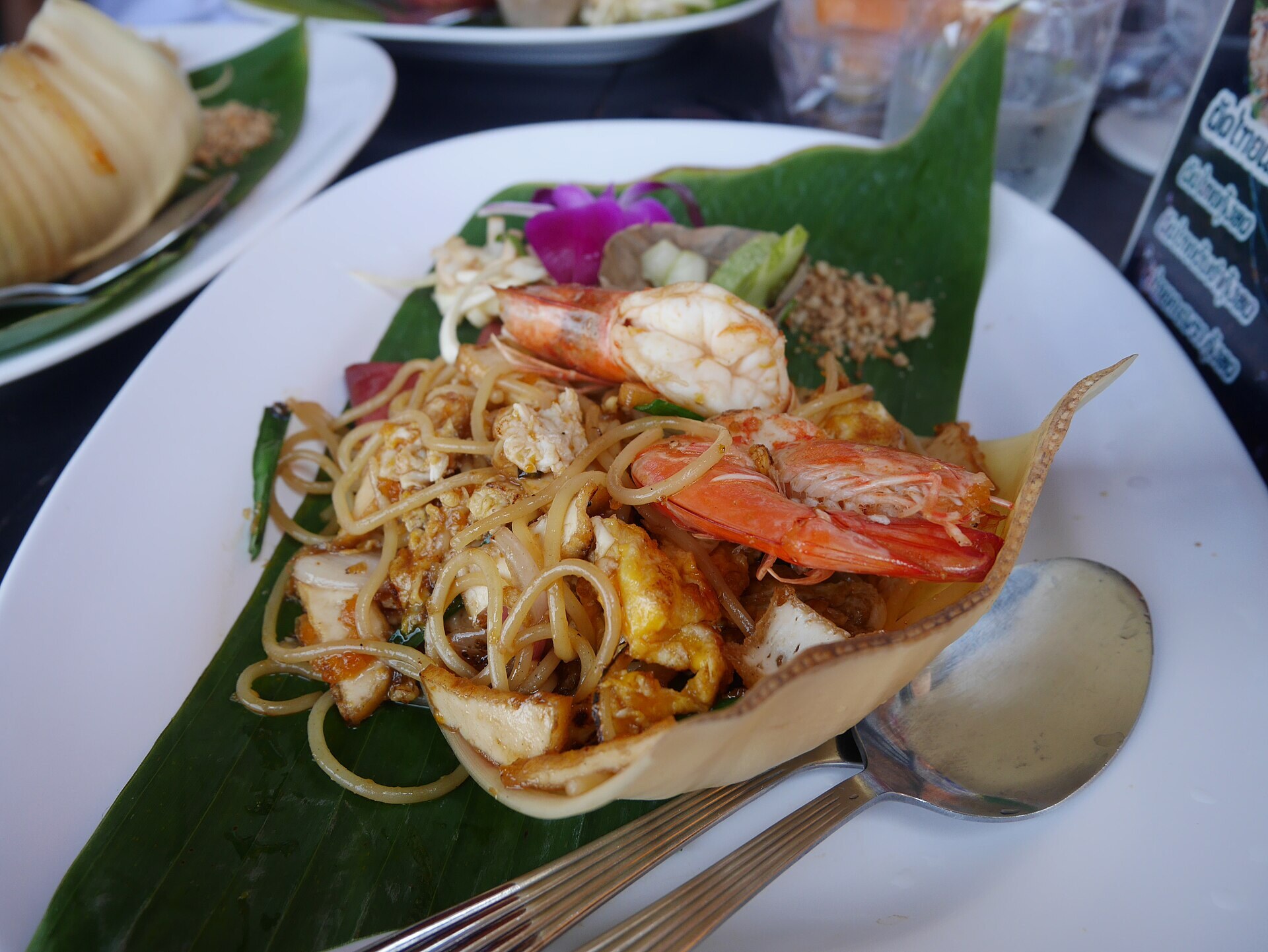
Khao chae in the hot season (the Mon dish Bangkok borrowed for its royal cuisine), crab-topped noodles on banana leaf, fried dok khae flowers, and the sweets: thong yip, foi thong and whatever the auntie at the stand insists on. Bring small notes.
It is a lived-in village, not a theme park: dress modestly in the temple grounds, walk bikes through the market crush, and buy the pottery from the workshops that fire it, the stamp on the base tells you.